
Money File #002: The $2.1 Trillion Money Leak
Compound interest is one of the most powerful forces in personal finance. You've probably heard the term before, maybe in a high school economics class or while opening a savings account at the bank. But what does it actually mean, and why should you care?
The truth is that compound interest affects nearly every part of your financial life. It can help you build wealth, retire with confidence, and grow your savings faster than you thought possible. But it can also make debt feel impossible to escape.
Understanding how compound interest works and how to make it work for you instead of against you can have a dramatic impact on your financial future.
What Is Compound Interest?
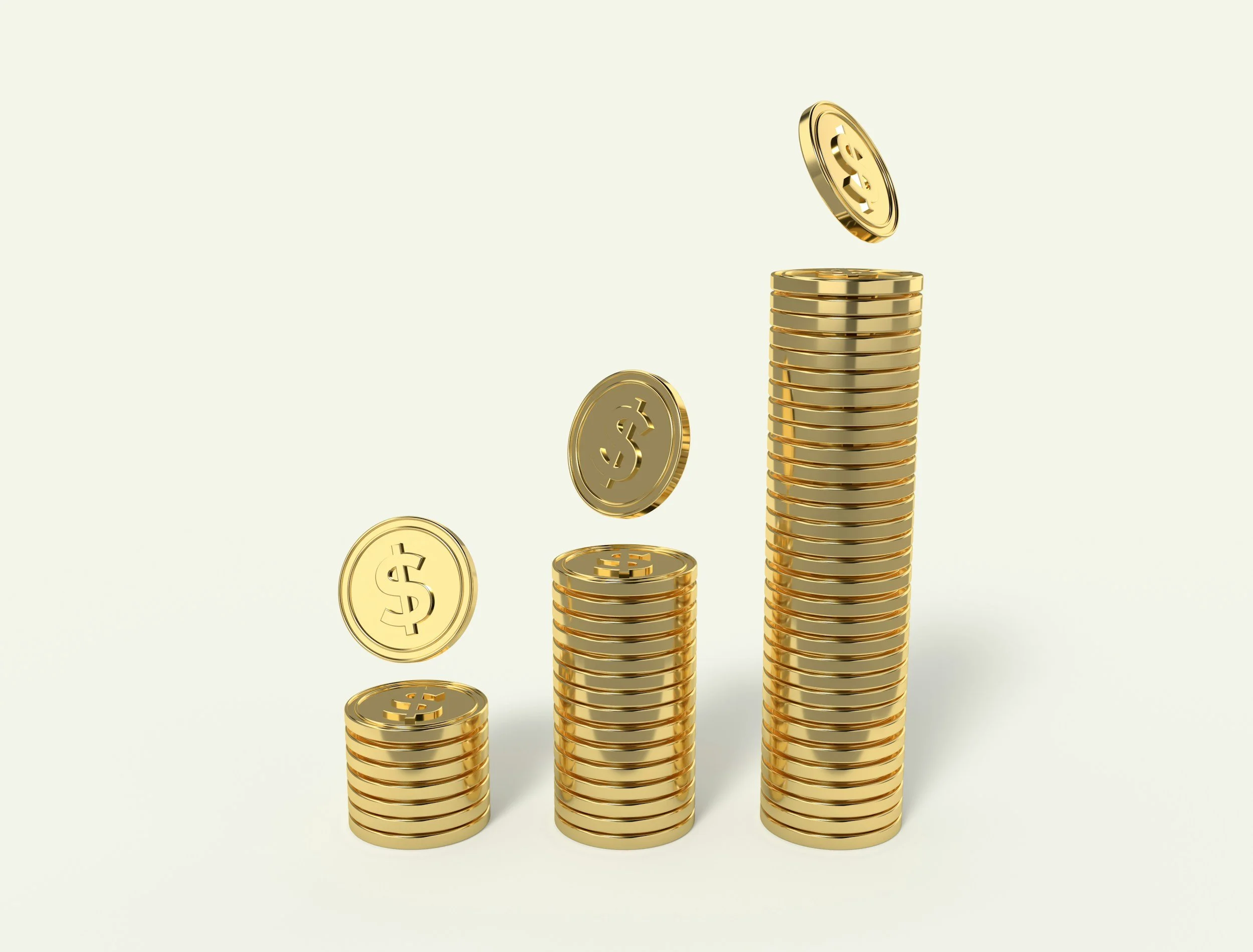
At its simplest, compound interest is money earning money on your money.
Imagine you deposit $1,000 into a savings account that earns 5% interest annually.
At the end of Year 1, you've earned $50 in interest, bringing your balance to $1,050.
But here's where the magic happens.
In Year 2, you're no longer earning interest on just your original $1,000. You're earning interest on $1,050. That means you earn $52.50 instead of $50, bringing your balance to $1,102.50.
By Year 3, you're earning interest on $1,102.50, bringing your balance to approximately $1,157.63.
Each year, your money grows faster because the interest you've already earned begins earning interest too.
Without adding a single extra dollar, that original $1,000 would grow to more than $1,600 after 10 years.
That's compound interest at work.
When Compound Interest Works in Your Favor
Retirement Savings
If there's one place where compound interest shines, it's retirement planning.
Every contribution you make to a retirement account doesn't just sit there; it has the opportunity to grow through investment earnings and compounding over time. And if your employer offers a match, those dollars compound as well, accelerating your money’s growth.
The earlier you start saving, the more time compound interest has to do the heavy lifting.
For example, someone who starts investing consistently in their 20s may contribute far less out of pocket over their lifetime than someone who starts in their 40s, yet still end up with significantly more money at retirement.
In many cases, the difference can be hundreds of thousands—or even millions—of dollars.
That's why financial professionals often say that time is one of the most valuable assets an investor has.
High-Yield Savings Accounts
Compound interest can also help your short- and medium-term savings goals.
A high-yield savings account allows your emergency fund, vacation fund, or home down payment savings to earn interest while the money sits safely in the account.
Instead of your savings remaining stagnant, they continue to grow in the background, helping you reach your goals faster and providing a little extra cushion when life throws unexpected expenses your way.
When Compound Interest Works Against You
Unfortunately, compound interest doesn't always wear a white hat.
The same force that helps grow your savings can make debt much more expensive.
The Credit Card Trap
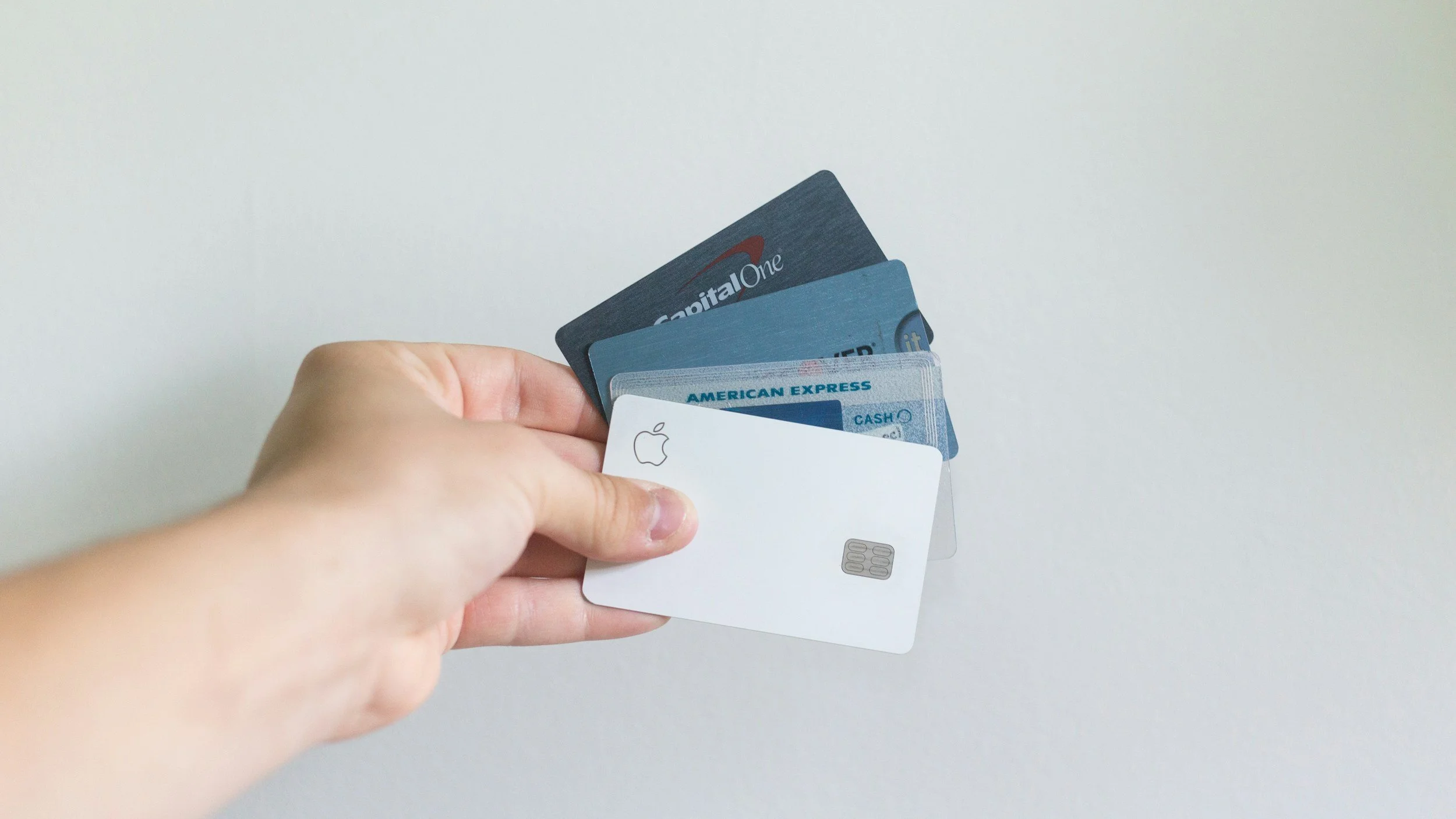
When you use a credit card, you're borrowing money from the card issuer.
If you pay your statement balance in full each month, you generally avoid paying interest altogether.
However, when you carry a balance from month to month, interest begins accumulating—and often at very high rates.
Many credit cards charge interest rates of 15%, 20%, or even higher.
What's more, while credit card interest is typically expressed as an APR (Annual Percentage Rate), interest is often calculated daily.
That means interest starts piling up faster than many people realize.
Let's say you pay for a trip to Disneyland for $5,000 using a credit card with a 19.99% APR because you don't have the cash available at the time.
The first month's interest may only be around $83, which doesn't seem too bad.
Even though you’re able to make $200 payments every month (slightly more than the minimum), the remaining balance continues accruing interest every day.
Six months later, you’re still far from paying off your balance. In fact, it would take you almost three years to pay off your card, making $200 per month payments, AND the total cost of your trip would have ballooned to $6,500 ... costing you $1,500 (over 25% of the trip’s original cost) just in interest alone.
And that's assuming you didn't make any additional purchases on the card.
In reality, most people continue using their credit cards while carrying a balance, causing interest charges to compound on an even larger amount.
Before long, debt can begin to snowball.
If you've ever felt like you're making large payments each month but your balance never seems to go down, compound interest is often a major reason why.
How to Make Compound Interest Work for You
The key is simple:
Earn it whenever possible. Avoid paying it whenever possible.
Here are a few ways to do that:
Pay Credit Card Balances in Full
The easiest way to avoid credit card interest is to pay your statement balance in full every month. Treat your credit card like a debit card, and only spend what you can afford to pay.
When you do, you can enjoy the convenience and rewards of credit cards without paying extra for your purchases.
Save Before You Spend
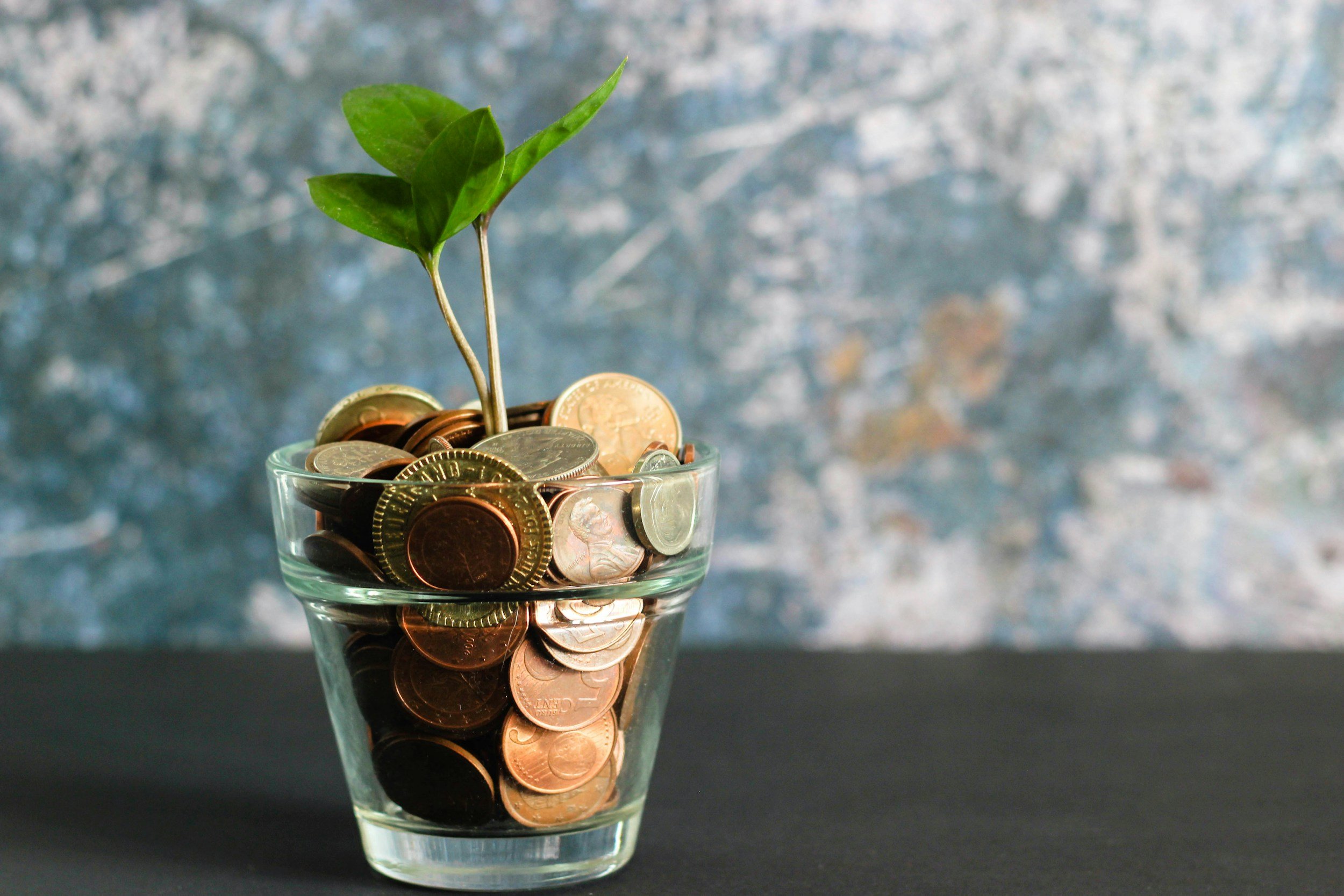
One of the best ways to avoid expensive debt is to plan ahead for future expenses.
Create separate savings accounts or buckets for:
Travel
Home repairs
Vehicle maintenance
Holiday spending
Large purchases
Emergencies
When you've already saved for an expense, you pay exactly what the item costs—nothing more.And if you’re saving in a high-yield savings account, compound interest actually helps you build the funds, giving you more to spend on travel than the sum of your contributions.
There's no interest, no debt, and no lingering impact on your monthly budget.
Start Investing Early
Even small contributions can become substantial over time thanks to compound growth.
The earlier you begin, the more years your money has to grow.
Remember: compound interest rewards patience.
The Bottom Line
Compound interest has two sides.
On one side, it can help build wealth, grow retirement savings, and accelerate your financial goals.
On the other, it can make debt more expensive and keep people trapped in cycles of repayment.
The difference comes down to whether you're earning compound interest or paying it.
Learn to use compound interest when it benefits you, avoid it when it works against you, and you'll be putting one of the most powerful financial tools available firmly on your side.