
The Pink Tax: How It’s Sneaking Into Your Wallet (and What You Can Do About It)
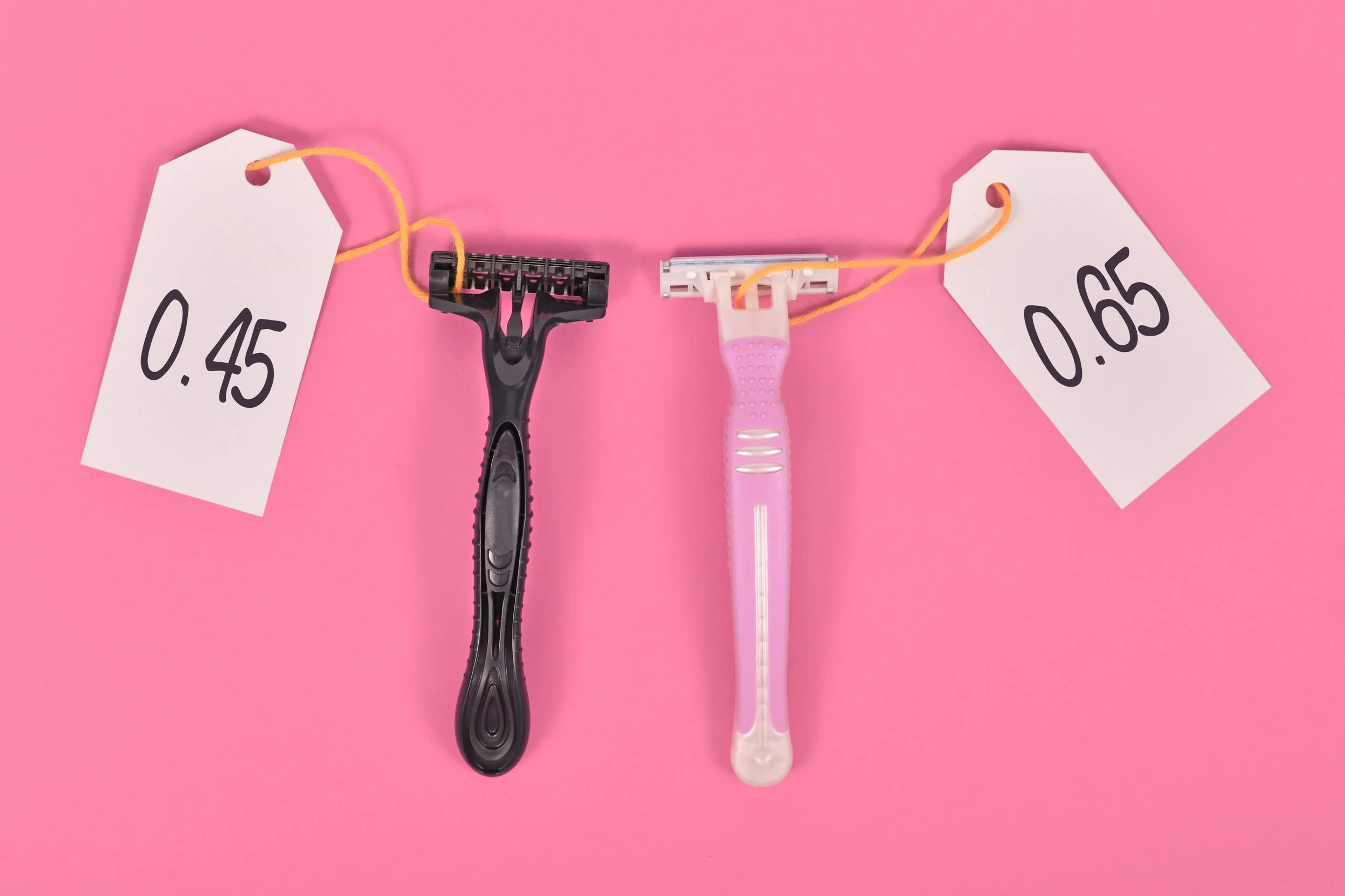
At Aptus Financial, we believe your money should work for you, not against you. And while you might expect to pay more for better quality or better service, there’s a hidden cost that many women don’t even realize they’re paying: the “pink tax.” Let’s talk about what it is, how it shows up, and how to keep more of your hard-earned money.
Q: So, what exactly is the “pink tax”?
A: The pink tax isn’t an official tax—it’s a nickname for the higher prices often charged for products marketed toward women. Think razors, shampoo, dry cleaning, and even kids’ toys. The kicker? Many of these items are identical to the “male” or gender-neutral version, just in different packaging (often pink) and at a higher price.
In the U.S., women’s haircuts average $54 compared to $30 for men, according to Statista. In the UK, The Guardian reported on a 2020 YouGov poll showing a simple trim for women averaged £31 (about $40) while the equivalent for men averaged just £12 (about $15). Whether in dollars or pounds, women are often paying nearly double, or more, for the same basic service.
And sometimes, the “pink tax” hides in plain sight through luxury branding:
Lash serums: The Ordinary Multi-Peptide Lash and Brow Serum ($14.90) has nearly identical top ingredients to Olaplex Browbond Building Serum Eyebrow Enhancer ($68). In skincare, those first ingredients matter most—meaning you might be paying extra for the name, not the formula.
Cleansers: Pacifica Kale Detox Face Wash ($11.99) matches over 20 ingredients found in the Youth To The People Superfood Cleanser ($39). Similar formulas, dramatically different price tags.
Night serums: L’Oreal Cell Renewal Anti-Aging Midnight Serum ($43.99) shares many key ingredients, including hyaluronic acid, with Estee Lauder’s Advanced Night Repair Serum Multi-Recovery Complex ($85). The core benefits? Nearly the same, but the price difference is almost $40.
Q: Where am I most likely to see the pink tax?
A:
Personal care — razors, body wash, deodorant
Clothing — especially workwear and dry cleaning
Toys & kids’ gear — “girl” versions of scooters, backpacks, and bikes
Self-care & beauty — high-priced skincare, haircare, and wellness products with minimal real difference from lower-cost options
Q: Does it really matter if it’s just a few dollars here and there?
A: Absolutely. A few extra dollars here, a few extra there, multiplied over years and decades, can mean thousands of dollars you didn’t have to spend. Add that to the fact that women, on average, still earn less than men, and the math gets frustrating fast—less money coming in, more going out.
Q: Is this only about paying more for the same thing?
A: Not at all. It’s also about being sold things you don’t actually need—and social media has only made this problem bigger. You’ve probably seen an influencer on Instagram or TikTok claim that a $120 serum is “life changing,” when the science (and dermatologists) say an $8 drugstore cream works just as well.
Aptus CEO, Sarah Catherine Gutierrez, learned this lesson firsthand.
“I hit 40 and just bought into the emergency of stopping fine lines and wrinkles and age spots on my face. I literally panic purchased beauty products that had never entered my mind, previously.”
When those pricey products didn’t seem to make a difference, SC visited her dermatologist, Dr. Lipke, who made the medical case that a $12 bottle of Vanicream and a high-quality sunscreen would have the same impact.
“Fear is a powerful motivator for spending. Next time, buy on science, not emotion.”
And it’s not just skincare. Remember when it looked like TikTok might be banned in the U.S., and suddenly influencers started revealing how much of their content was staged or fake? From reaction videos to “miracle” product results, a lot of it was smoke and mirrors designed to make you feel like you have to buy something right now. That’s not just the pink tax; it’s the impulse-buy tax, too.
Some of those influencer confessions were especially telling:
Lexi Hidalgo—known for cozy coffee chats, admitted she rarely drank the coffee she made on camera.
Kaeli Mae—famous for ASMR ice restock videos, revealed she never actually used the elaborate ice cubes she showcased.
General influencer admissions: Many confessed to promoting products they didn’t like or use, exaggerating results, or failing to disclose paid sponsorships.
Q: How can I protect myself from paying more?
A:
Price check — Compare unit prices and ingredients, not just the label.
Go gender-neutral — Sometimes the men’s razor really is the better deal.
Wait before buying — Pause 24 hours before acting on a social media ad.
Ask questions — Contact brands or retailers about price differences.
Q: How does this connect to financial planning?
A: Everyday spending habits add up and not always in your favor. The pink tax, impulse buys, and overhyped products are just a few of the ways money quietly leaks out of your budget. Our job is to help you spot those leaks and redirect that money toward your bigger goals, whether that’s paying off debt, investing for your future, or simply feeling more in control of your cash flow.
Bottom line: The pink tax isn’t just about “pink” products. It’s about recognizing when you’re paying more— or buying more—than you need to. Awareness is your first line of defense, and a smart financial strategy is your second.
Source citations:
Statista. “Average Price of a Haircut in the United States as of June 2023, by Gender.” Statista, 2023. https://www.statista.com/statistics/1295550/average-haircut-price-us-by-gender/
Topping, Alexandra. “The Haircut Scandal: Why Do Women Pay So Much More Than Men?” The Guardian, 6 Feb. 2024. https://www.theguardian.com/lifeandstyle/2024/feb/06/the-haircut-scandal-why-do-women-pay-so-much-more-than-men